Mozart · 1791
Requiem
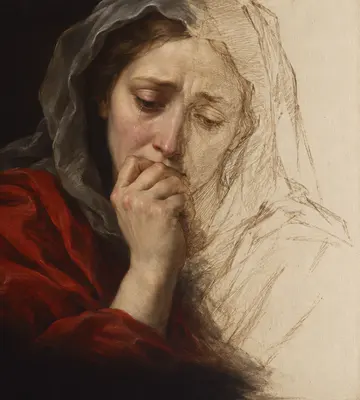
A prayer for those who cannot be brought back. Mozart's last work: he did not live to finish it, and his pupil did.
Open the work
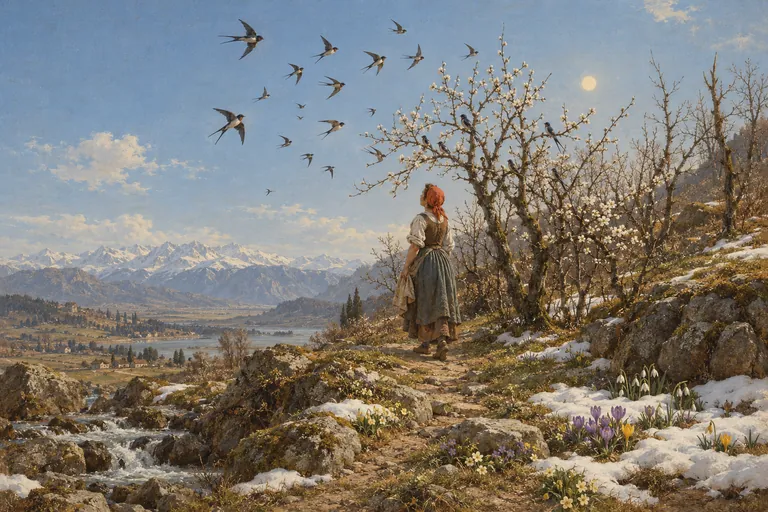
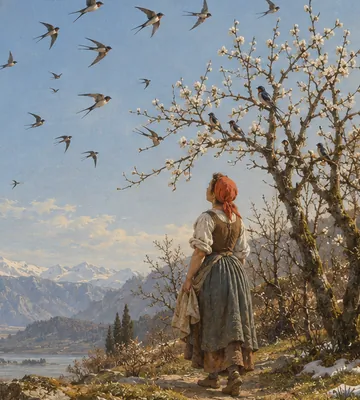 01You are hereSpring IThe swallows are back
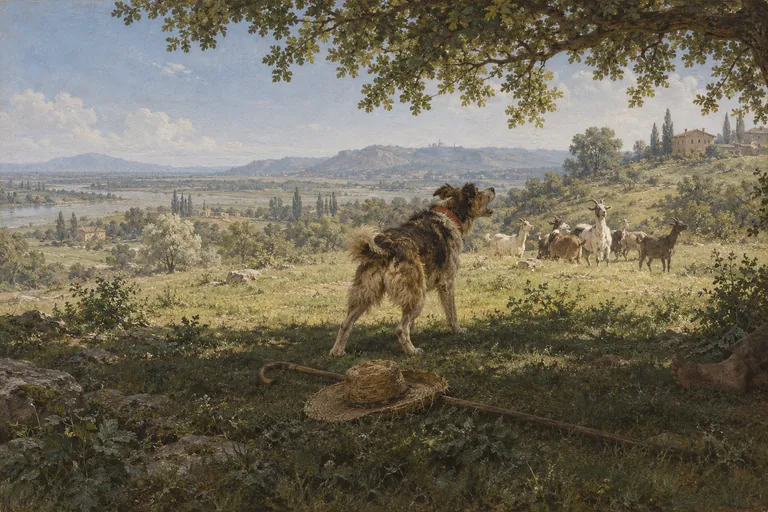
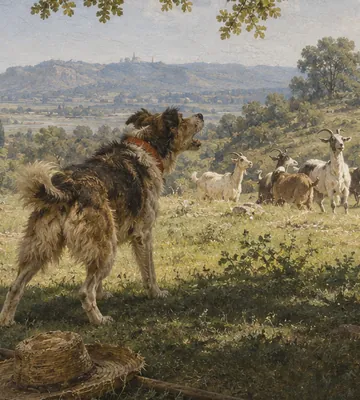 02You are hereSpring IIThe goatherd sleeps, the dog barks
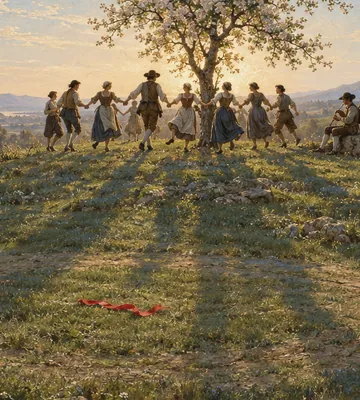 03You are hereSpring IIIA dance and a bagpipe
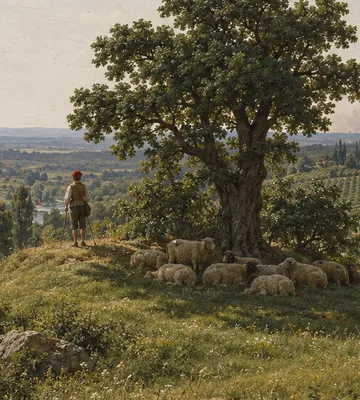 04You are hereSummer IHeat before the storm
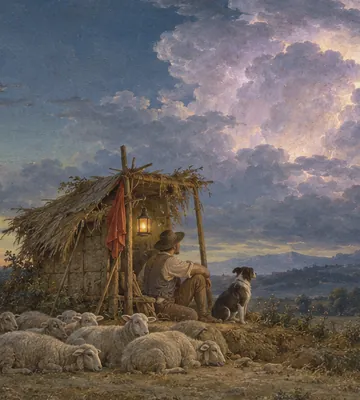 05You are hereSummer IIDistant thunder foretells a storm
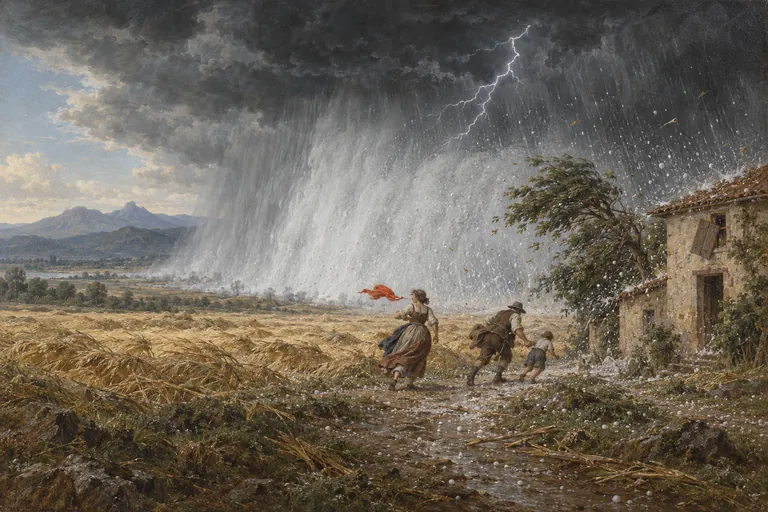
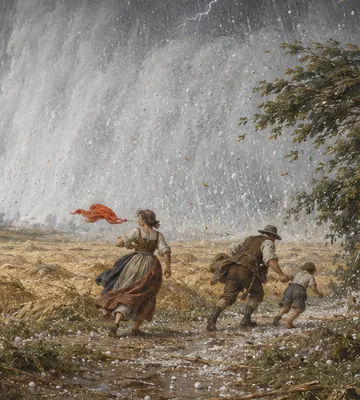 06You are hereSummer IIIHail
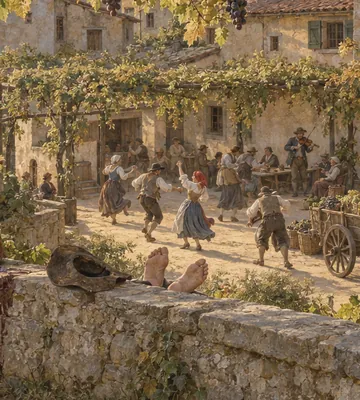 07You are hereAutumn IThe harvest feast
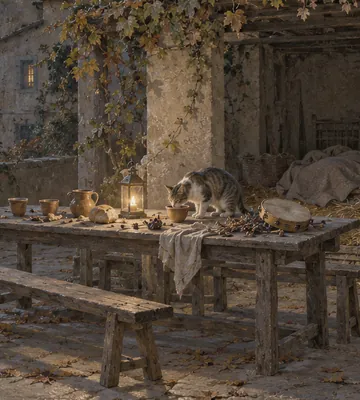 08You are hereAutumn IIEveryone has fallen asleep
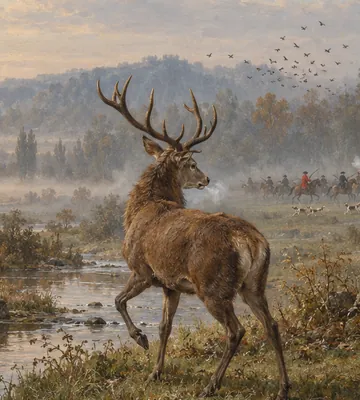 09You are hereAutumn IIIThe hunt
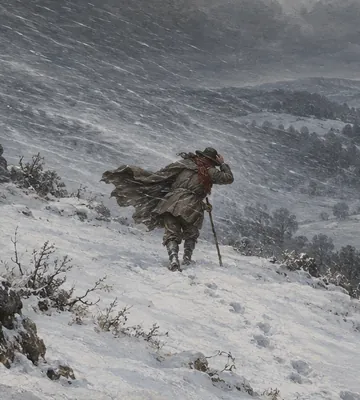 10You are hereWinter IAgainst the wind
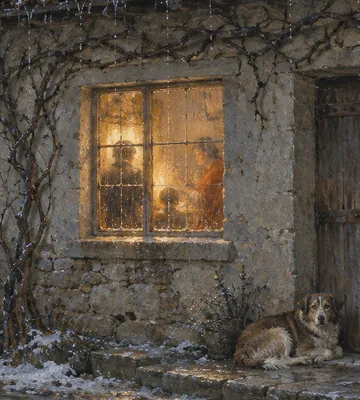 11You are hereWinter IIWarmth by the fire
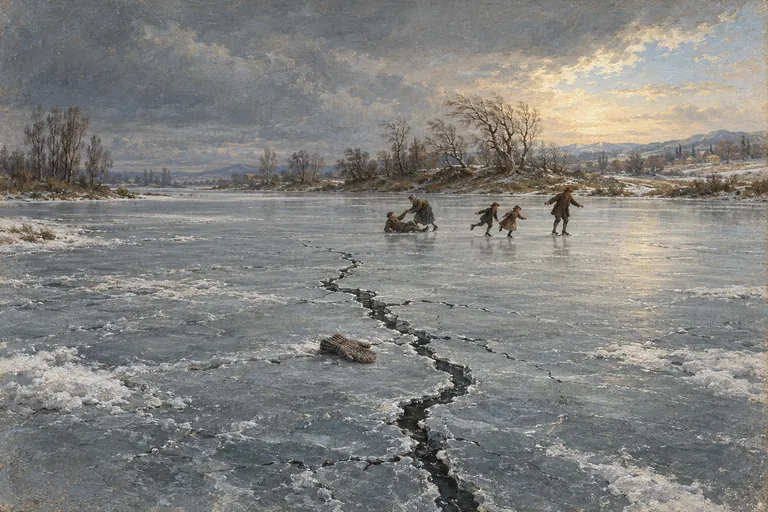
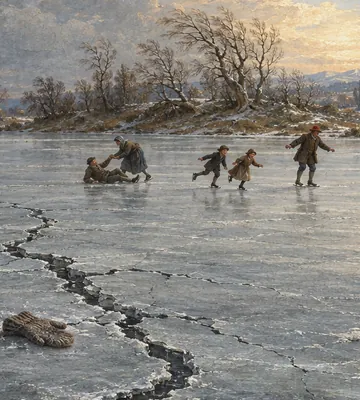 12You are hereWinter IIIOn the ice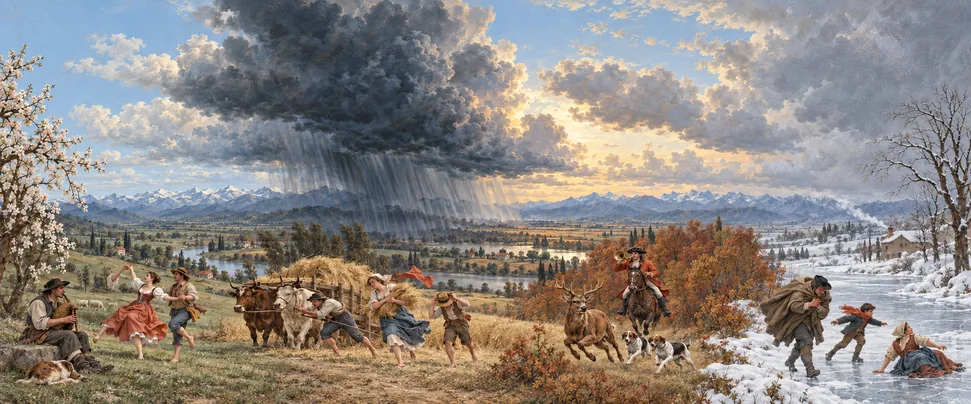
Antonio Vivaldi · Le quattro stagioni · 1725
From the first flowers pushing through the snow to the harvest, and to the hope that after a hard winter spring will come again.
Meet SpringSpring · Allegro · 3–3.5 min
Sonnets and hints · live
To each season Vivaldi added a sonnet and printed its lines right in the score. That is how we learn what the cuckoo sounds like and how the dog barks, where the sound of thunder tears the sky, and where people simply sleep or sit by the fire on a cold winter day.
Behind every movement stands either a force of nature or the mood of people: a storm splits the sky, scattering and frightening the birds; peasants celebrate the harvest or hide at home by the fire in a frosty winter.
The solo violinist is nearly always imitating someone: a bird, a beast fleeing the hunters, even a person freezing in a snowstorm. The orchestra is the events and elements around: heat, wind, storm.
Fast, slow, fast. The slow movements are the quietest and shortest: they imitate a shepherd's sleep, or people who have dropped off after a wild feast, and even an evening by the fire.
About this work
The Four Seasons are four concertos for violin and orchestra. Vivaldi published them in Amsterdam in 1725 and printed a sonnet with each concerto: fourteen lines about spring, summer, autumn or winter. Who wrote the sonnets is unknown; most likely the maestro himself.
The lines of the sonnet are published not apart but right in the score: each is marked with a letter, and the same letter stands over the corresponding bars. The dog in Spring is the violas, barking "always very loudly", as the part says. The rain in Winter is the violins plucking the strings with their fingers. We will show you exactly where these lines are and how they sound.
The recording was made live: John Harrison, violin, with the Wichita State University Chamber Players, 2000. The performers released it for everyone (CC BY-SA), so you can listen right here.
Questions
Because Vivaldi's summer is not a holiday. The sonnet tells of a peasant: the heat takes his strength, and a hailstorm can destroy the harvest in an hour. In the first movement that storm is feared, in the second thunder is heard in the distance, and in the third the sky is torn by a furious storm.
It is hidden. We wait for "cuck-oo", but the soloist plays an unbroken stream of fast notes, and almost all of them are one and the same high note. The cuckoo is the two lower notes that surface from that stream twice in every bar. Play the excerpt and follow the lower notes.
Nobody knows. In the 1725 print each sonnet is headed only by the name of the concerto and Vivaldi's name, and in the preface he writes that he has added sonnets and detailed explanations to the concertos. The most common guess is that he wrote the verses himself: they divide into sections exactly as the music does. The scholar Paul Everett, who wrote a book on these concertos, adds: the verses are clumsy and amateurish, and that is just why they look like the work of a composer rather than a poet.
Because the 1725 score leaves a great deal unwritten. The five parts can be played by six musicians or by a large orchestra. Violins may be modern or period instruments. The latter, as a rule, sound drier and sharper. The chords over the bass line are played by a harpsichord, an organ or a lute - that is the performers' choice. The first recording, in 1942, lasted forty-four minutes; five years later other musicians played the same music in thirty-seven and a half.
The finale of Summer is heard in the film Portrait of a Lady on Fire (2019): the heroine hears an orchestra play for the first time in her life in this very work. The opening of Winter is in John Wick: Chapter 3 (2019). The American series The Four Seasons (2025) is divided into four seasons, each accompanied by its concerto. Spring was for years played to people waiting on the telephone. And if you know this music in a slower, modern sound, it is most likely Recomposed by the composer Max Richter (2012): he took about a quarter of Vivaldi's notes and wrote a new work from them.
At last. This time you may. Usually people do it after each concerto (Spring, Summer, Autumn and Winter). Between the movements of one season the musicians make a short pause and go on without applause.
Yes, almost true. In Vivaldi's lifetime The Four Seasons was his best-known work: in Paris Spring was played from 1728 and still in the 1750s. Then fashion changed, and in the nineteenth century Vivaldi was remembered mainly as the author of concertos that Bach had arranged for organ and harpsichord. The music itself never disappeared: copies printed in 1725 lay in libraries. It began to return in the 1920s, and the first recording was made in Rome in 1942.
The Four Seasons are the first four concertos of a collection of twelve. It also contains The Storm at Sea and The Hunt; they are written in the same style as the storm in Summer and the hunt in Autumn. The slow movement of Autumn is heard once more in Vivaldi's concerto Night, where it is called Sleep. And if you like music that tells a story without words, early in the next century Haydn wrote that way in his oratorio The Seasons and Beethoven in his Pastoral Symphony.
A prayer for those who cannot be brought back. Mozart's last work: he did not live to finish it, and his pupil did.