Requiem aeternam · eternal rest
A prayer for those who cannot be brought back.
It is sung when words can no longer change anything, and that is exactly why each of them weighs so much.
From darkness to light
From a prayer for the dead through the day of wrath to eternal light: fourteen movements and fourteen paintings drawn from their Latin text. Choose the one that catches your eye and hear how it sounds.
-
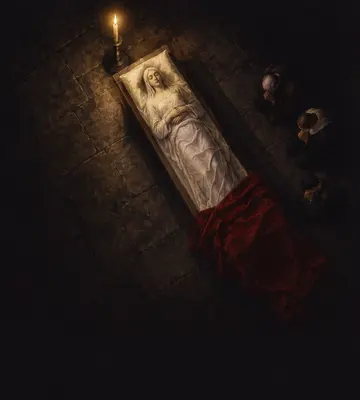 Requiem aeternam Eternal rest
 -
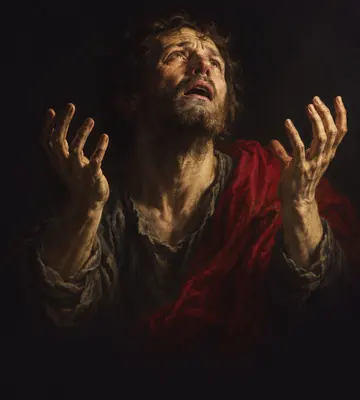 Kyrie eleison Lord, have mercy
 -
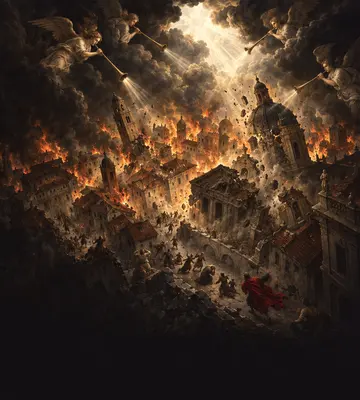 Dies irae Day of wrath
 -
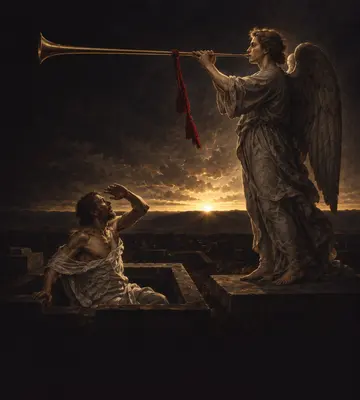 Tuba mirum The trumpet
 -
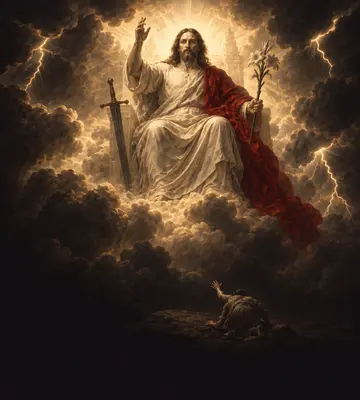 Rex tremendae King of fearful majesty
 -
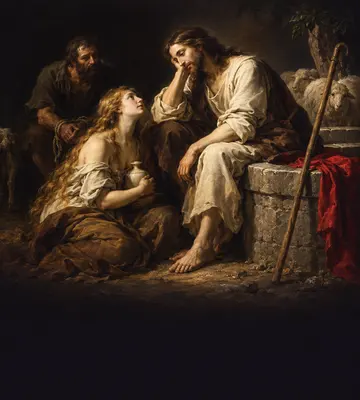 Recordare Remember
 -
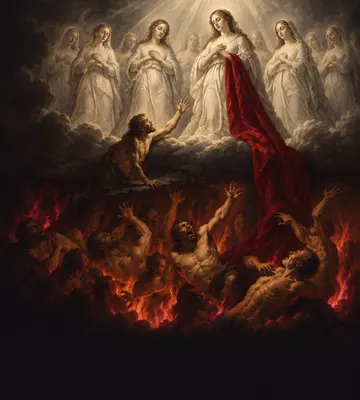 Confutatis The accursed
 -
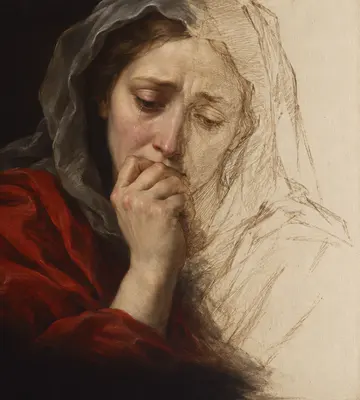 Lacrimosa Tearful day
 -
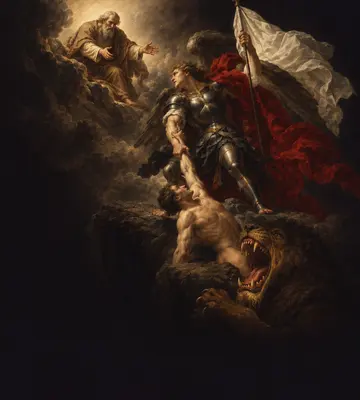 Domine Jesu Lord Jesus Christ
 -
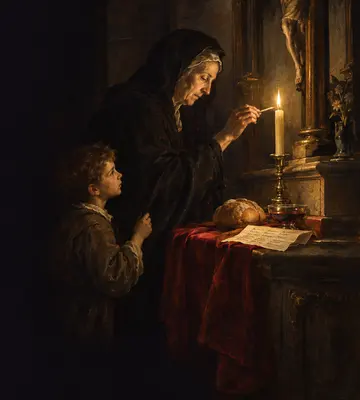 Hostias Sacrifices and prayers
 -
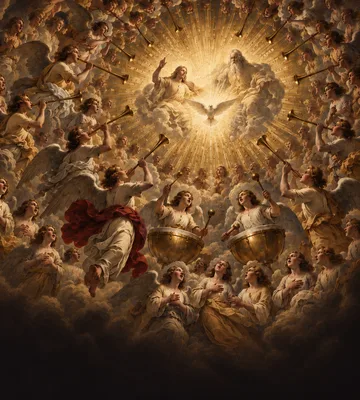 Sanctus Holy
 -
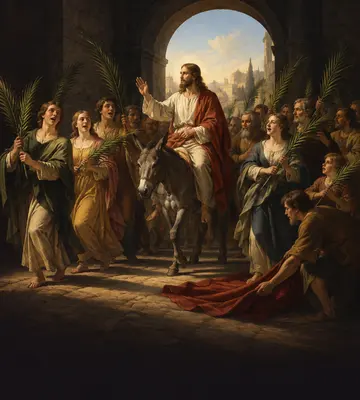 Benedictus Blessed
 -
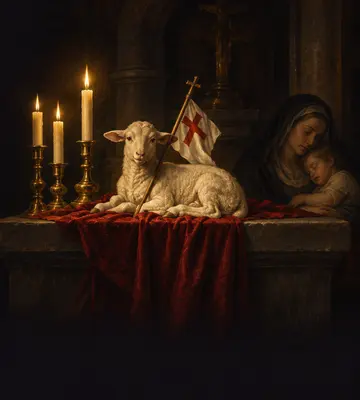 Agnus Dei Lamb of God
 -
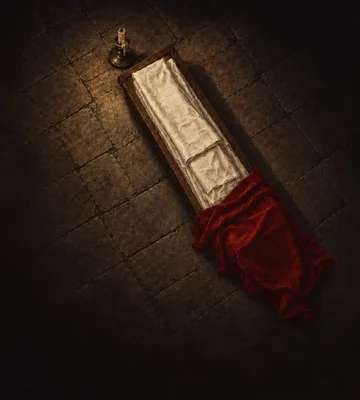 Lux aeterna Eternal light
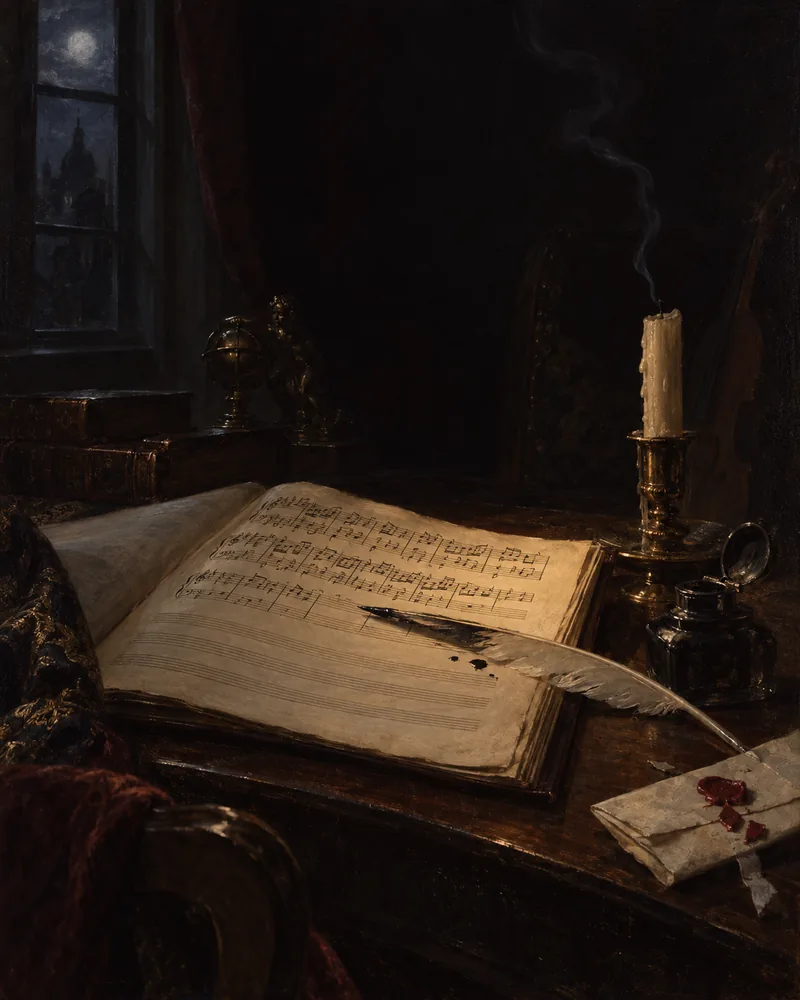
About this project
A Requiem you can understand the first time you hear it
In the concert hall Mozart's Requiem runs for fifty minutes straight, in Latin and without explanation. Many people hear only 'something grand and sad' and leave feeling that the main thing passed them by.
This site takes the work apart movement by movement: what is sounding right now, what the choir is singing about, who is on stage, and where in the manuscript Mozart's hand stopped. You do not need to read music; everything is explained through what you hear.
The aim is simple: after these pages, the Requiem in a hall or on headphones should sound to you not like old church music but like a conversation about death, memory and mercy in which you understand every word.
- 14movements with text and translation
- 13manuscript pages with notes
- 1791the year the work broke off
Three things about this work
-
Not a concert but a plea
A Requiem is a Mass for the dead. The choir sings in Latin not about death, but to God on behalf of those who have died: give them rest, free them, receive them. In the 18th century this was not music for reflection but a plea that was meant to work.
-
Sombre from the first bar
About 50 minutes: choir, four soloists, orchestra. Mozart left out flutes and oboes and used basset horns instead, soft and veiled. That is why the sound sits low from the very first note: nothing bright is left on top.
-
An argument without an answer
The text argues with itself: now the day of wrath and a Judge from whom nothing is hidden, now a plea for mercy. It gives no answer, and the whole work lives on that tension.
What happened in 1791
- 1791 Vienna Mozart is 35 and has more work than time: The Magic Flute, La clemenza di Tito for Prague, the Clarinet Concerto. The Requiem has to fit in between.
- July The commission In the summer a go-between brings a commission for a Requiem Mass, with no client named. It is Count Walsegg: his wife died in February, aged 20. The count liked to buy other people's music and perform it as his own.
- 5 December Mozart dies Mozart dies at about one in the morning. Only the Introitus is finished. From the Kyrie to the Hostias there are drafts: voices, bass, cues for the orchestra. For the Sanctus, Benedictus and Agnus Dei there are no notes of his. The Lacrimosa breaks off after bar eight.
- 1792 The completion Constanze needs the fee, and the client is waiting for a score. Joseph Eybler takes it on, then stops. Franz Xaver Süssmayr, a 25-year-old pupil, finishes it: he completes the Lacrimosa and the orchestra, and writes the Sanctus, Benedictus and Agnus Dei himself.
- 1798 → 1984 The legends Poison, "a requiem for himself", the mysterious messenger - these stories began with Constanze and the first biographers. Salieri came later, from Viennese gossip in the 1820s, Pushkin and Amadeus. None of them is confirmed.
Where next

- 01 Fourteen movements From the first bassoons to the last hollow chord. Each movement has the Latin with a translation, a stage that lights up with the music, and what to listen for.
- 02 Eight bars Mozart managed to write eight bars of the Lacrimosa. See the manuscript and the place where his handwriting breaks off mid-phrase.
- 03 Was Mozart poisoned? Salieri, a secret patron, tears over the Lacrimosa. Twenty questions: what is true and what is legend. Guess first, then check.
- 04 The year 1791 Mozart's last year month by month: two operas, a secret commission, letters to Constanze.