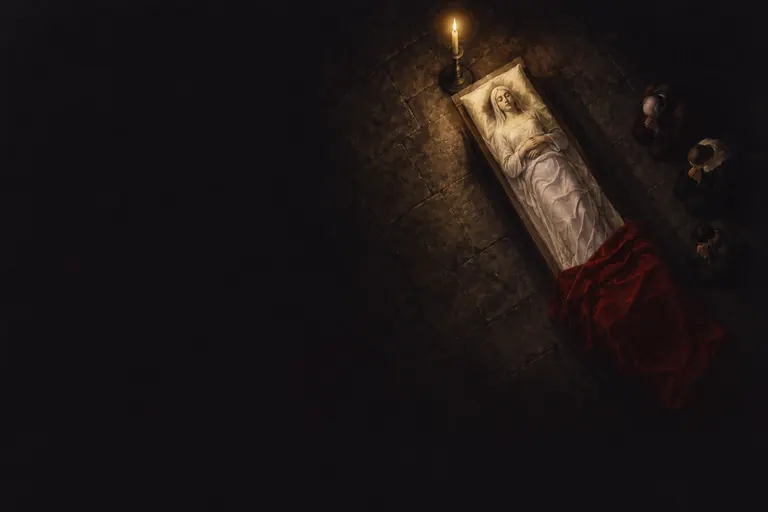
Before the first words: An opening with no voices: basset horns and bassoons. The theme climbs and slides back down.
- Requiem aeternam dona eis, Domine, Eternal rest give to them, O Lord, The voices enter one after another, from the bottom up: basses, tenors, altos, sopranos.
- et lux perpetua luceat eis. and let perpetual light shine on them.
- Te decet hymnus, Deus, in Sion, A hymn befits you, O God, in Zion, Soprano solo. The brightest spot in the movement, with a deliberately old-fashioned melody.
- et tibi reddetur votum in Jerusalem. and to you a vow shall be paid in Jerusalem.
- Exaudi orationem meam, Hear my prayer,
- ad te omnis caro veniet. to you all flesh shall come. On "omnis caro veniet" the harmony slides down in half-steps.
- Requiem aeternam dona eis, Domine, Eternal rest give to them, O Lord,
- et lux perpetua luceat eis. and let perpetual light shine on them. It ends on an unresolved chord, with no pause: the Kyrie starts at once.
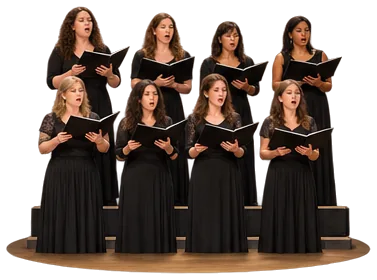
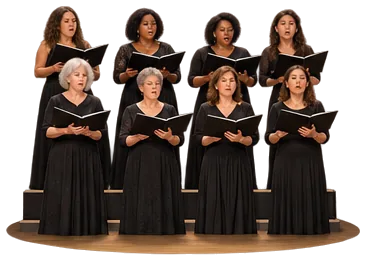
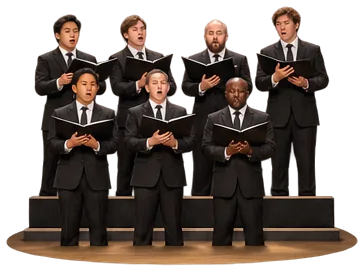
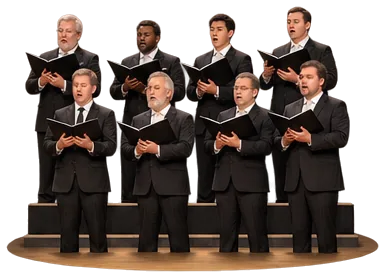
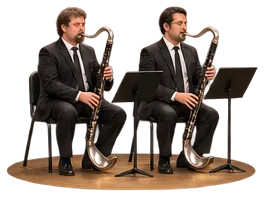
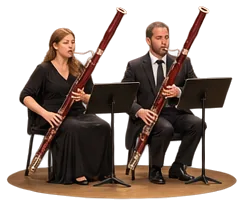
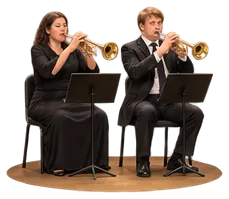
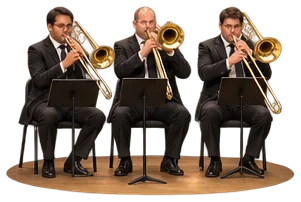
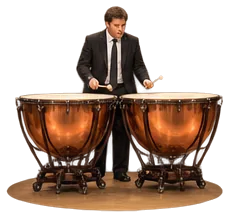
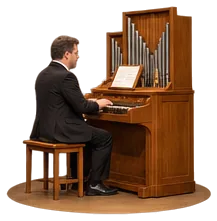
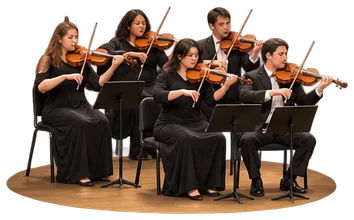
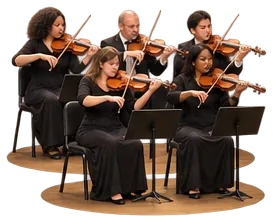
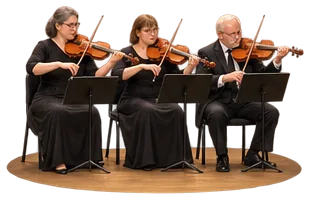
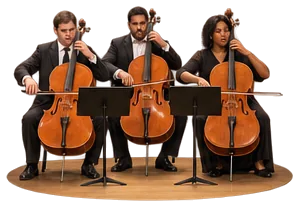
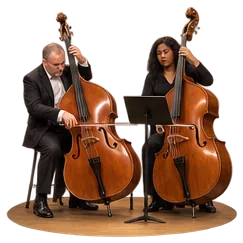
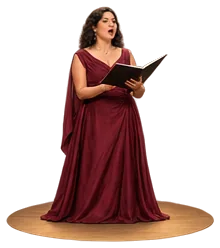
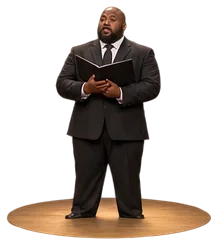
Now singing
Press Play or the space bar: the singers and players sounding at that moment light up on stage, and the words appear here. Meanwhile, tap any group to find out who they are.
Orchestra only, no words
Sounding
Manuscript: the first page of the Requiem
Leaf 1 of the score handed to the patron after Mozart's death. The Introitus is the only movement Mozart finished completely, so the whole page is in his hand, from the heading to the last note of the orchestra.
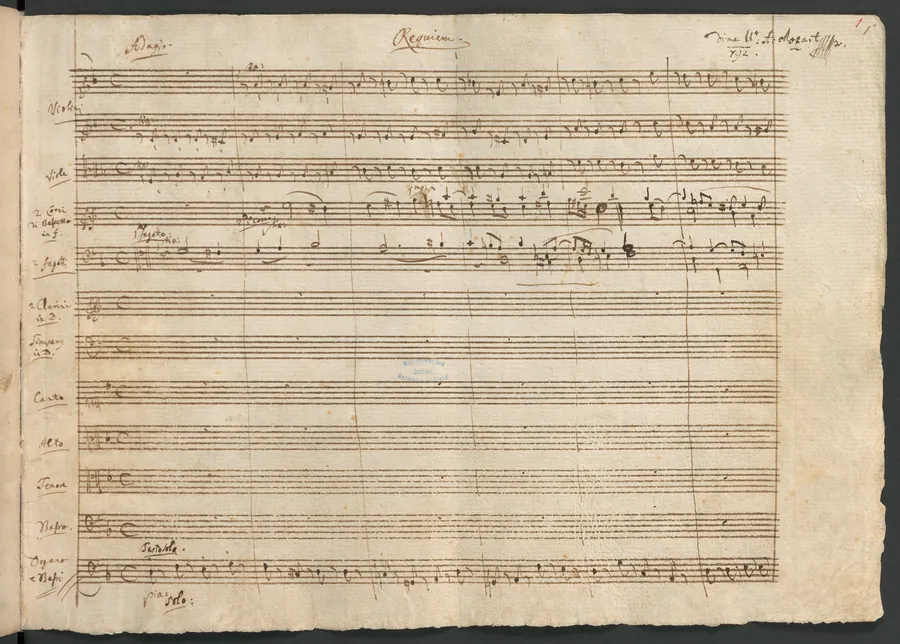
Tap an area on the page or an item in the list.
A single word in the middle of the page. On the left, the tempo: 'Adagio'.
'By me, W. A. Mozart, in my own hand, 1792'. Mozart died in December 1791, so he could not have signed with the following year's date. It was probably added by Süssmayr, so that the patron would receive a score 'by Mozart'.
Violini, Viole, 2 Corni di Bassetto in F, 2 Fagotti, 2 Clarini in D, Timpani, then the voices and Organo e Bassi. No flutes or oboes on the list: hence the dark sound.
The theme that opens the work. The bassoon leads it first, the basset horn takes it up a little later, and the lines intertwine. Above them the strings quietly mark the pulse.
Canto, Alto, Tenore, Basso: the voices are silent on this page. The choir comes in a little later, and the basses sing first.
The bottom staff: organ, cellos and double basses. The even steps of the bass under the wind theme, like a slow procession.
About
Low winds begin without voices. The choir enters from the bottom up: basses, tenors, altos, sopranos. This is the only movement Mozart finished completely, orchestra and all.
For seven bars only the orchestra plays: bassoons and basset horns pass one theme between them while the strings mark the pulse like slow footsteps. Then the choir enters. At 'Te decet hymnus' the light changes: the solo soprano sings an ancient melody. At the end the movement does not close; it hangs on a chord and runs straight into the Kyrie.
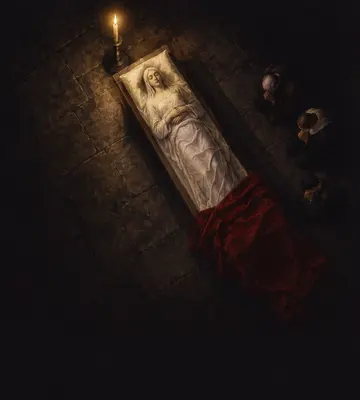 Requiem aeternam Eternal rest
 The silence before a prayer, when words still feel heavy. Mozart begins not with weeping but with a slow walk: bassoons and basset horns step like a procession, and the voices enter one by one, as if people were coming closer in turn. The grief is held back, and that is why it runs deep.
You are here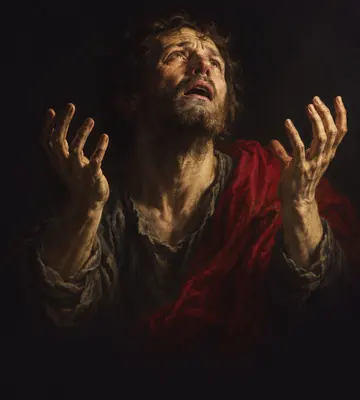 Kyrie eleison Lord, have mercy
 A plea that cannot stop. Two themes cling to each other and the music flows without a breath, like a crowd calling with one voice. Mozart turns 'have mercy' not into a whisper but into an insistent demand, and only at the very end does it break into syllables.
Open movement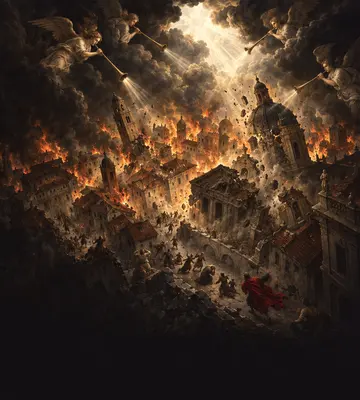 Dies irae Day of wrath
 Sudden terror with nowhere to hide. The choir hammers the words together, the strings tremble, and there is not a single soft note. Mozart shows not a picture of the Judgement but how that day feels to a person: sharp, close, with no right of reply.
Open movement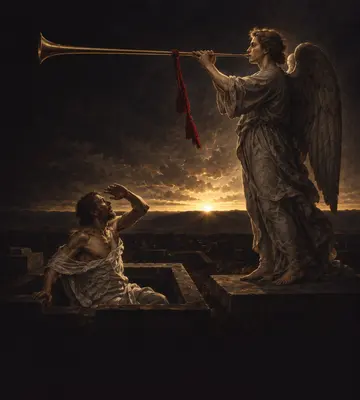 Tuba mirum The trumpet
 A summons, and then everything falls quiet. The trombone sounds not menacing but solemn and alone, and the voices take the word in turn, as if each were stepping forward. The higher the line climbs, the more personal the fear becomes, until a simple question is heard: what shall I say?
Open movement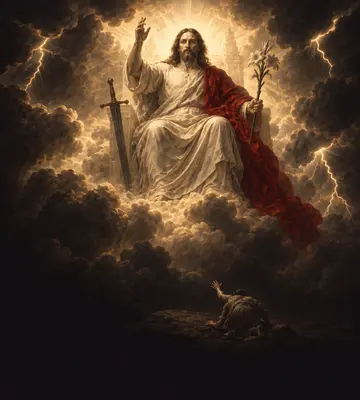 Rex tremendae King of fearful majesty
 Awe before a majesty too great to look at directly. The heavy dotted rhythm is a king's entrance, and the choir cries out his title three times into silence. But in the last bars Mozart strips away the splendour: all that remains is a quiet 'save me', spoken almost on an out-breath.
Open movement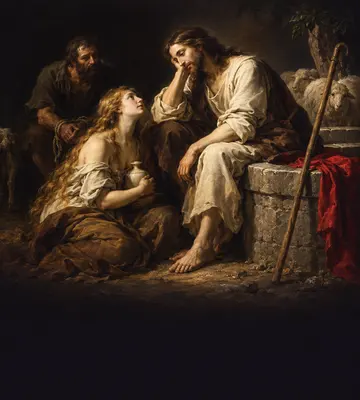 Recordare Remember
 A calm conversation with the one who can forgive. The voices do not compete but intertwine, like thoughts that have long been carried. Mozart neither frightens nor weeps here: this is the longest and warmest movement, where a person persuades rather than begs in panic.
Open movement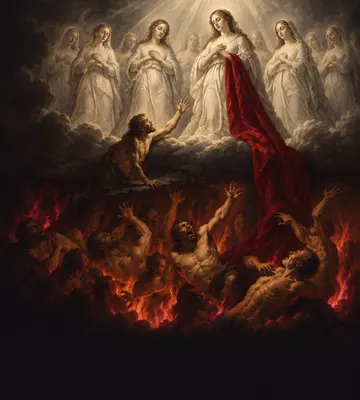 Confutatis The accursed
 Two worlds side by side: flame and light. The men's voices plunge down into the fire of the strings, the women answer from above, quiet and almost still. Then everything sinks, the harmony wavers, and what remains is a single heart ground to ash, asking to be cared for at its end.
Open movement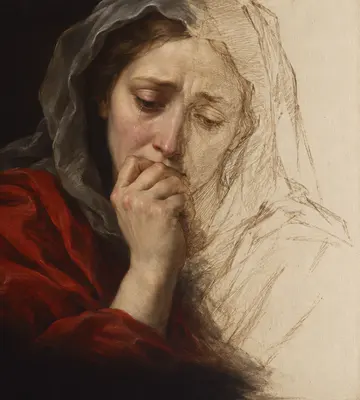 Lacrimosa Tearful day
 Tears for someone else. The strings sob, the melody rises and breaks, as if the voice could not hold. Right here, at bar eight, Mozart's hand stopped, and everything after it is a pupil's attempt to finish his teacher's prayer.
Open movement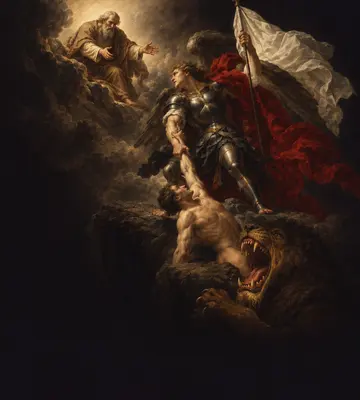 Domine Jesu Lord Jesus Christ
 The fear of the abyss and the light of a promise in one movement. The basses fall deep on the words about hell, the music races away from the lion's mouth, and then the quartet unexpectedly clears. The fugue at the end sounds like a stubborn memory of an old promise: it was given, so it must come true.
Open movement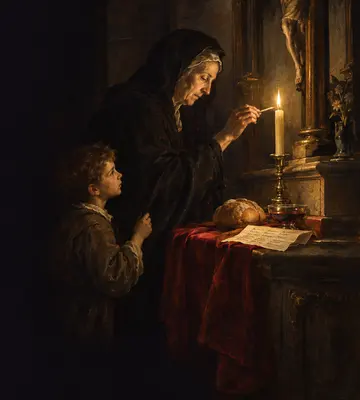 Hostias Sacrifices and prayers
 Quiet remembrance of particular people. The rhythm rocks gently, like a slow dance, and the choir sings in plain chords, without any pressure. This is the gentlest place in the work: no one begs for rescue from judgement here; a prayer is offered for those remembered today.
Open movement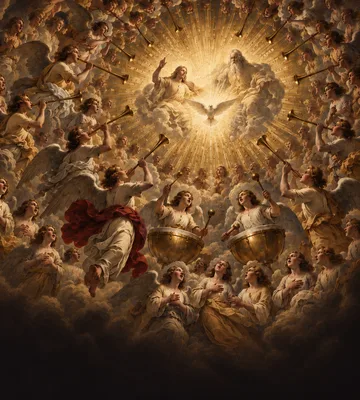 Sanctus Holy
 Sudden light and praise. After a long darkness, trumpets and timpani sound in D major for the first time, like doors thrown wide open. Süssmayr writes a joy that is short and straightforward, without doubt or shadow.
Open movement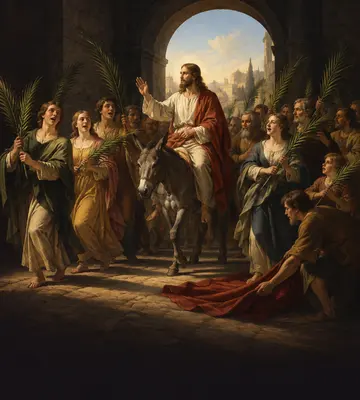 Benedictus Blessed
 Warmth after brilliance. The soloists sing calmly and lyrically, like a greeting to someone arriving in peace. Süssmayr lets the listener rest: there is no fear in this music, only gentle expectation.
Open movement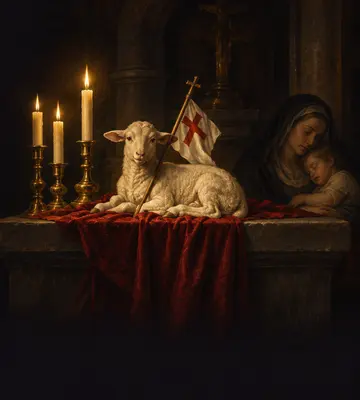 Agnus Dei Lamb of God
 A humble plea in which the weight can still be heard. One phrase sounds three times: firm on 'Lamb of God', quiet on 'grant them rest'. Each time the harmony shifts a little, as if the burden were slowly easing, and the third time it brightens.
Open movement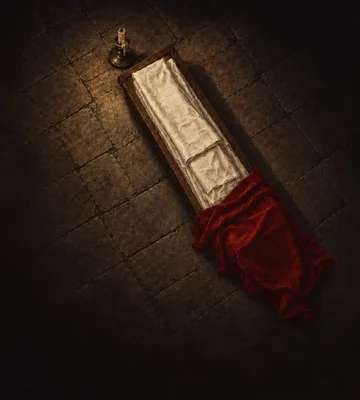 Lux aeterna Eternal light
 Coming home as a different person. The same music as at the beginning returns, but now with words about eternal light and mercy. The grief has not gone, yet the listener has walked the whole way and hears in the familiar theme not hopelessness but peace.
Open movementWorth knowing
The theme is close to Handel's funeral anthem for Queen Caroline.
There are no flutes or oboes in the orchestra, the brightest of the winds. Basset horns take their place, soft and veiled: that is where the dark sound comes from.
The soprano melody at 'Te decet hymnus' is an old church chant, the so-called wandering tone (tonus peregrinus). Mozart wove a medieval tune into the music of his own time.
This movement was probably performed on 10 December 1791 at a memorial service for Mozart in St Michael's Church in Vienna, five days after his death.
This is the only movement Mozart finished completely, orchestra and all. After it the manuscript has only the voices, the bass and cues for the instruments.
D minor was Mozart's key for the otherworldly: it is the key of the Commendatore in Don Giovanni and of the Piano Concerto No. 20.