Sanctus: lyrics and translation
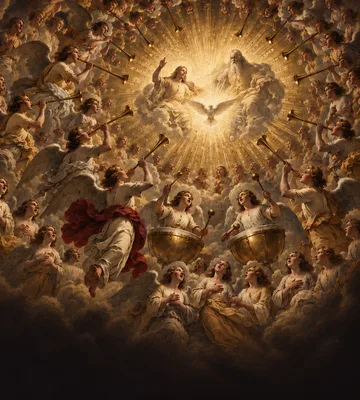
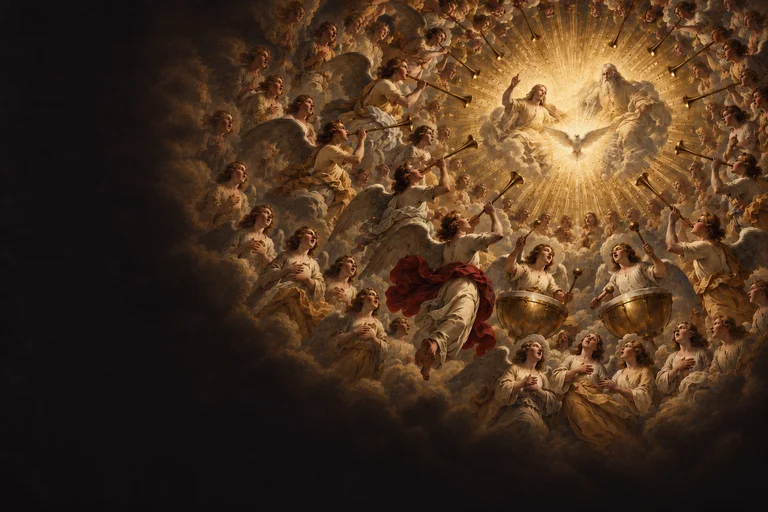
- Sanctus, sanctus, sanctus,Holy, holy, holy,Full ensemble, trumpets and timpani. There has been no light like this so far.
- Dominus Deus Sabaoth.Lord God of hosts.
- Pleni sunt coeli et terraHeaven and earth are full
- gloria tua.of your glory.
- Hosanna in excelsis.Hosanna in the highest.A short fugue on "Hosanna". It breaks off before it develops.
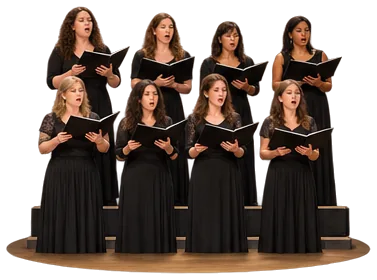
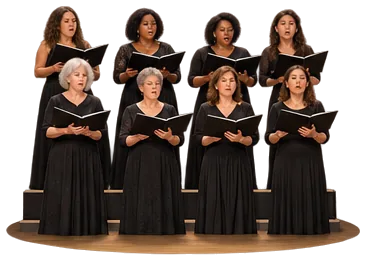
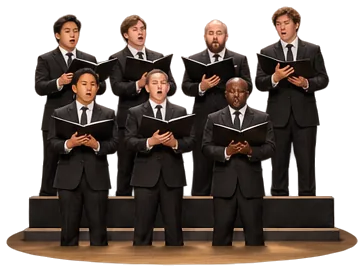
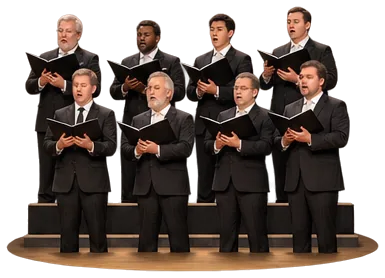
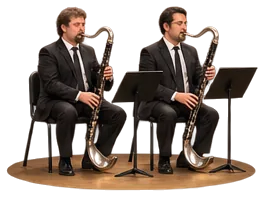
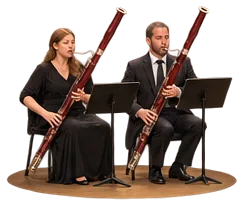
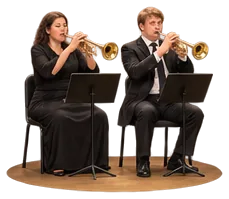
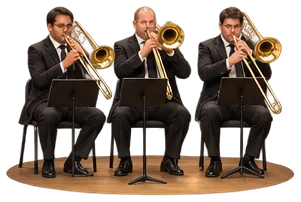
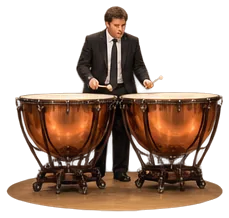
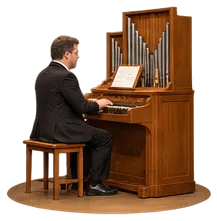
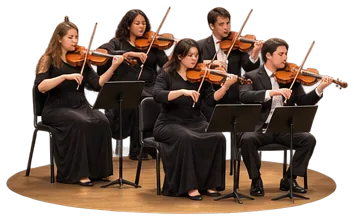
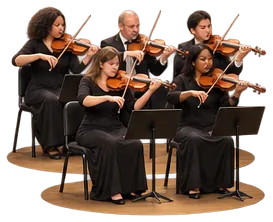
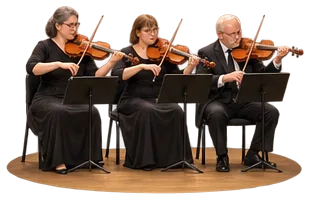
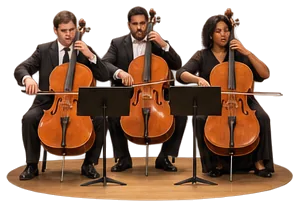
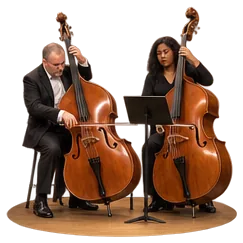
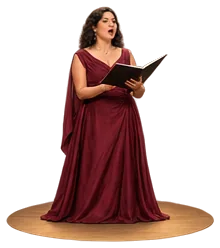
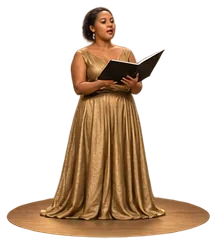
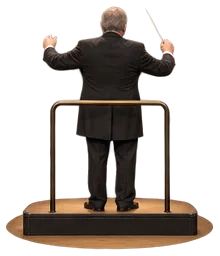
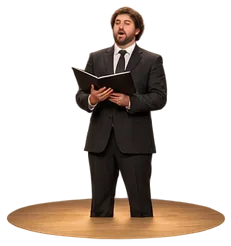
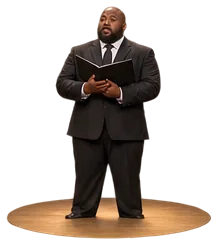
Press Play or the space bar: the singers and players sounding at that moment light up on stage, and the words appear here. Meanwhile, tap any group to find out who they are.
Manuscript: the Sanctus in Süssmayr's hand
Leaf 45 of the score handed to the patron. No notes by Mozart for the Sanctus are known, so Süssmayr wrote the whole page. Compare it with Mozart's working pages: here every staff is filled.
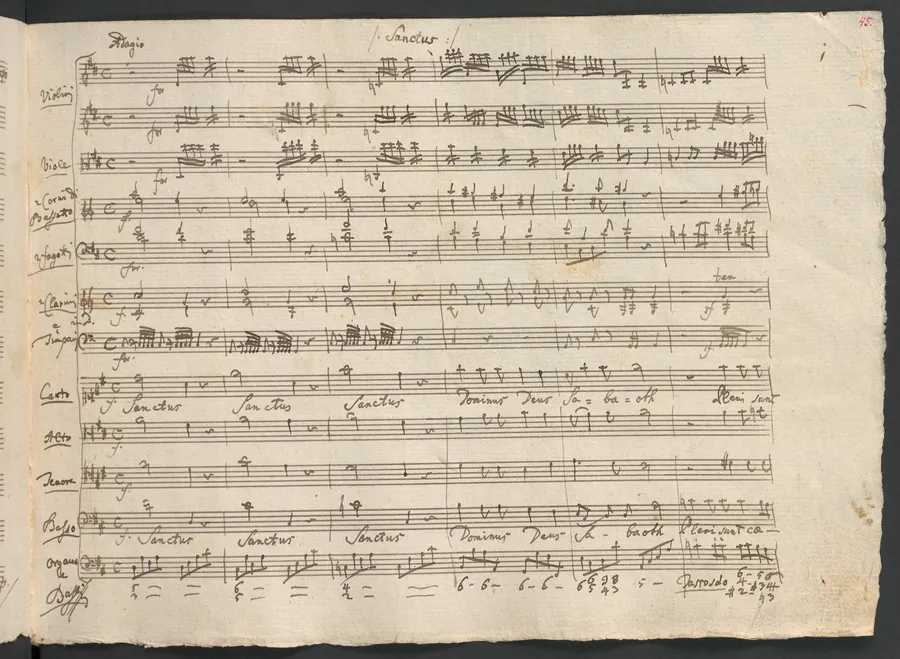
Tap an area on the page or an item in the list.
About
D major, trumpets, timpani: light for the first time in earnest. Süssmayr wrote this movement himself, with no notes from Mozart, and it is the one most often called the weakest in the work: it is very short, the "Hosanna" fugue ends almost before it has got going, and the repeat after the Benedictus sounds lower than the rite requires.
After the muted colours of the Offertorium, trumpets and timpani suddenly enter and the choir proclaims 'Sanctus' three times in broad chords. A few bars of praise follow at 'Pleni sunt coeli', then straight away a quick fugue on 'Hosanna in excelsis'. The fugue has barely begun to unfold before it ends, so the whole movement is over in a minute and a half.
Worth knowing
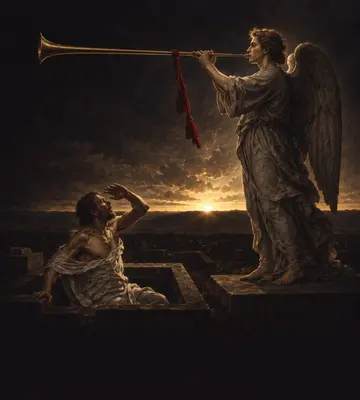
The text is Latin, but two words in it were left as they were: "Sabaoth" - "hosts", that is, the God of the heavenly armies - and "Hosanna", an ancient cry meaning "save us now", which in time became simply an exclamation of praise. They were never translated because they are older than the Latin service itself. And "holy, holy, holy" comes from the vision of the prophet Isaiah, where the angels call it to one another around the throne.
After the Benedictus the "Hosanna" fugue returns not in D major, as here, but in B flat major, the key of the Benedictus. A ritual repeat should sound the same, so later editions correct this.
The whole work is built around the note D. Until now it has sounded in its dark, sorrowful form - D minor; here the same foundation sounds bright for the first time - D major. The note has not changed; what is built on it has, and in the 18th century any listener could hear the difference.
One of the shortest movements of the Requiem, about a minute and a half. No sketches by Mozart for it have been found.
Conversation
What you heard
Share your impressions of what you heard, your feelings, or simply your thoughts out loud.
Only for the name under your comment. Your email is shown to no one.
Quiet here so far. Yours would be the first.