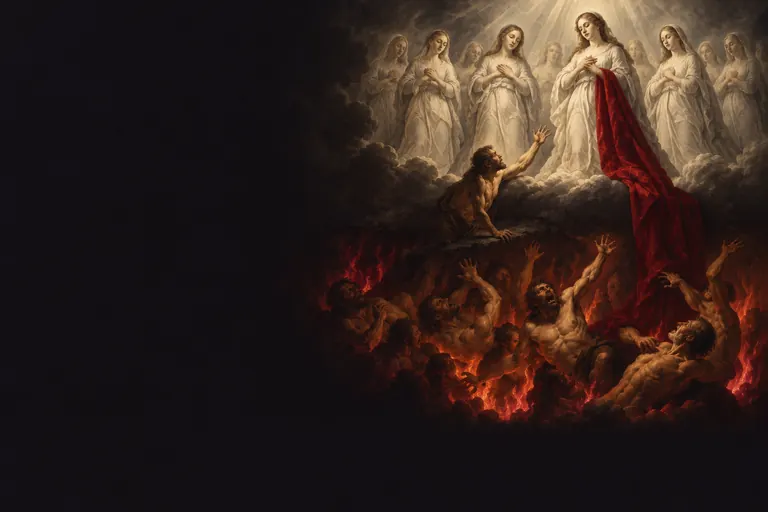
- Confutatis maledictis, When the accursed are confounded, Tenors and basses. Under them, jagged figures in the strings: flames.
- flammis acribus addictis, consigned to the bitter flames,
- voca me cum benedictis. call me with the blessed. Sopranos and altos, high and quiet. Listen to the strings: the fire under them does not go out.
- Oro supplex et acclinis, I pray, kneeling and bowed down, A sudden slowing. The whole choir quiet and low, the harmony sways, the key slides sideways. The boldest harmonic moment in the work.
- cor contritum quasi cinis, my heart crushed like ash,
- gere curam mei finis. take care of my end.
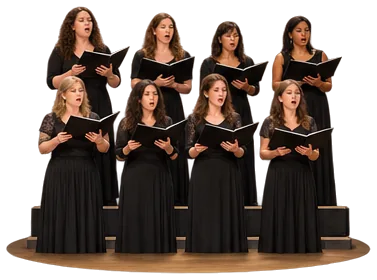
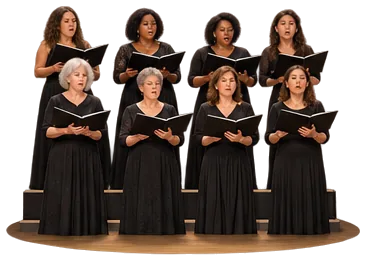
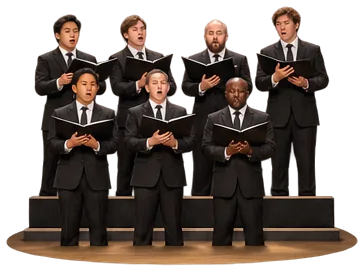
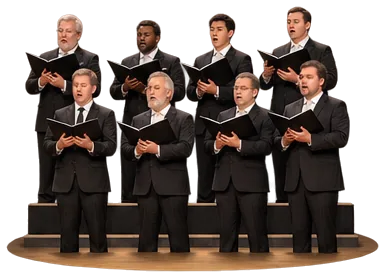
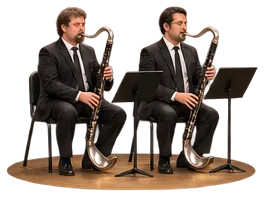
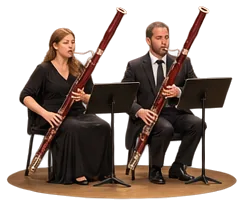
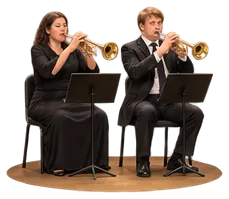
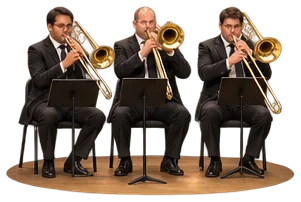
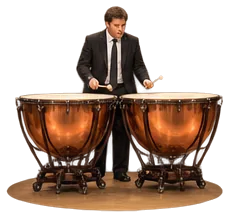
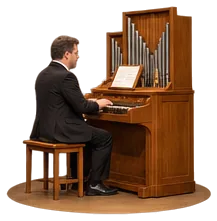
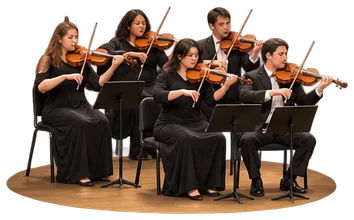
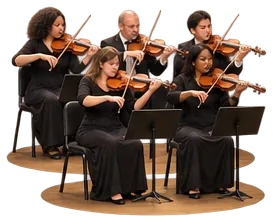
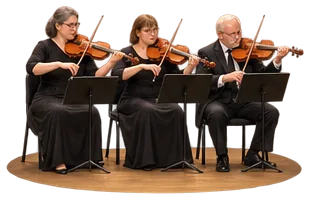
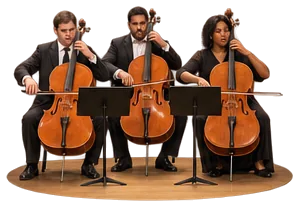
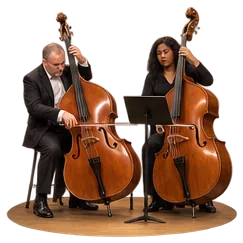
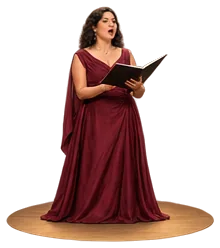
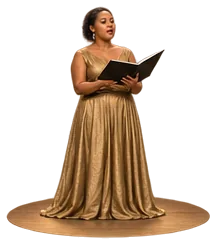
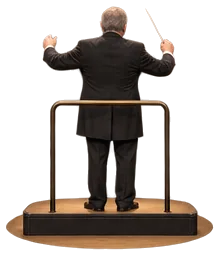
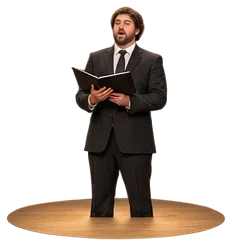
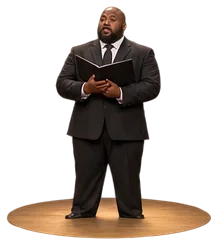
Now singing
Press Play or the space bar: the singers and players sounding at that moment light up on stage, and the words appear here. Meanwhile, tap any group to find out who they are.
Orchestra only, no words
Sounding
Manuscript: the first page of the Confutatis
Leaf 83 of the working score. Both worlds of the movement are visible on one page: the flames of the first violin at the top and the harsh entry of the tenors and basses at the bottom.
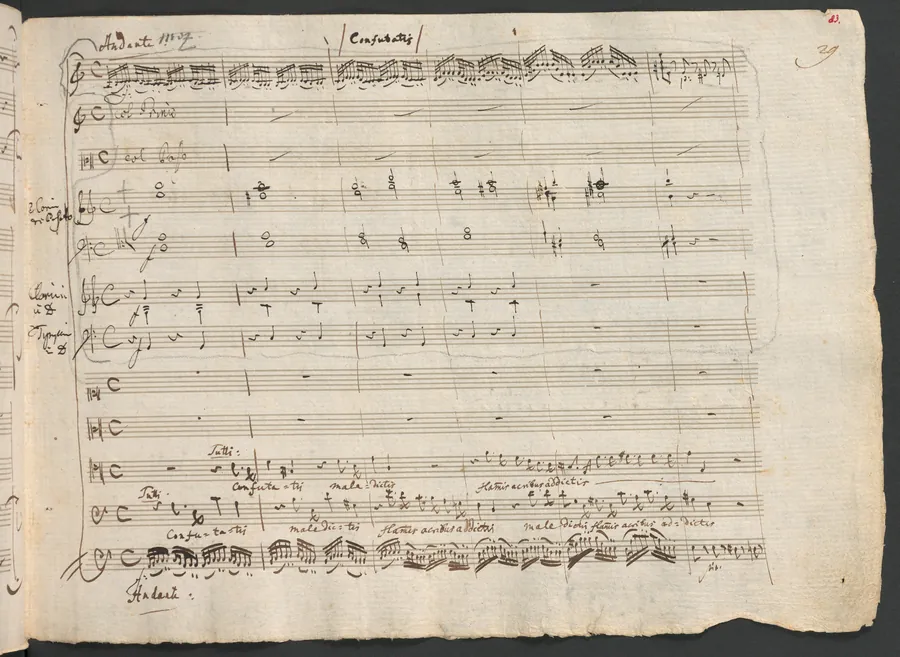
Tap an area on the page or an item in the list.
Unbroken fast figures that do not stop even under the women's voices. Mozart wrote this staff himself.
The instructions 'col Primo' and 'col Basso' (second violins with the first, violas with the bass), the basset horns, trumpets and timpani inside the frame were added by Eybler, as in the Dies irae.
'Tutti': the men's voices burst in with a dotted rhythm on 'Confutatis maledictis, flammis acribus addictis'. The soprano and alto staves above them are still empty.
The orchestral bass moves in torn, rapid figures: fire below and above at the same time.
About
Two worlds in turn. Men's voices low and harsh: the damned. Women's voices high and quiet: the blessed. The fire in the strings never stops.
Tenors and basses burst in with a harsh dotted rhythm while the strings beneath them rip out short figures like tongues of flame. The sopranos and altos answer at once, quiet and sustained: 'voca me'. This alternation happens twice. Then at 'Oro supplex' everything slows: the choir sings softly and the harmony slides down step by step into distant keys.
 Requiem aeternam Eternal rest
 The silence before a prayer, when words still feel heavy. Mozart begins not with weeping but with a slow walk: bassoons and basset horns step like a procession, and the voices enter one by one, as if people were coming closer in turn. The grief is held back, and that is why it runs deep.
Open movement Kyrie eleison Lord, have mercy
 A plea that cannot stop. Two themes cling to each other and the music flows without a breath, like a crowd calling with one voice. Mozart turns 'have mercy' not into a whisper but into an insistent demand, and only at the very end does it break into syllables.
Open movement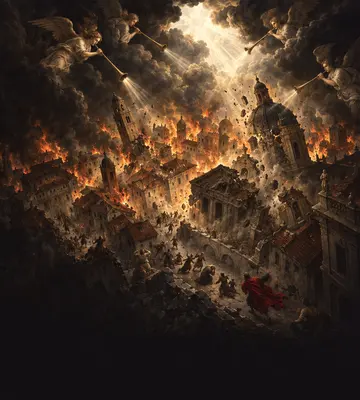 Dies irae Day of wrath
 Sudden terror with nowhere to hide. The choir hammers the words together, the strings tremble, and there is not a single soft note. Mozart shows not a picture of the Judgement but how that day feels to a person: sharp, close, with no right of reply.
Open movement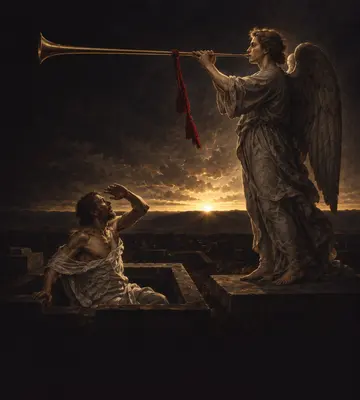 Tuba mirum The trumpet
 A summons, and then everything falls quiet. The trombone sounds not menacing but solemn and alone, and the voices take the word in turn, as if each were stepping forward. The higher the line climbs, the more personal the fear becomes, until a simple question is heard: what shall I say?
Open movement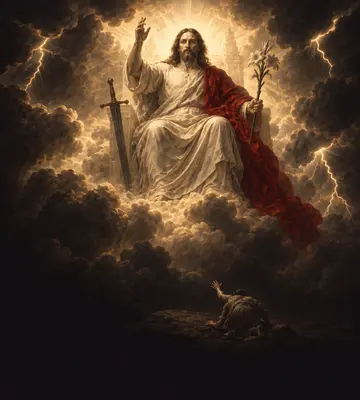 Rex tremendae King of fearful majesty
 Awe before a majesty too great to look at directly. The heavy dotted rhythm is a king's entrance, and the choir cries out his title three times into silence. But in the last bars Mozart strips away the splendour: all that remains is a quiet 'save me', spoken almost on an out-breath.
Open movement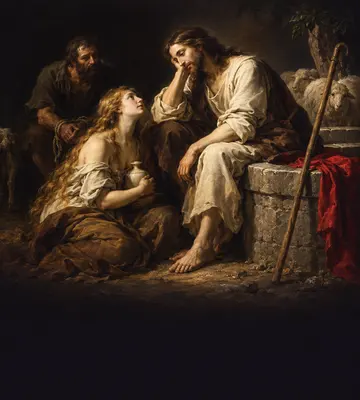 Recordare Remember
 A calm conversation with the one who can forgive. The voices do not compete but intertwine, like thoughts that have long been carried. Mozart neither frightens nor weeps here: this is the longest and warmest movement, where a person persuades rather than begs in panic.
Open movement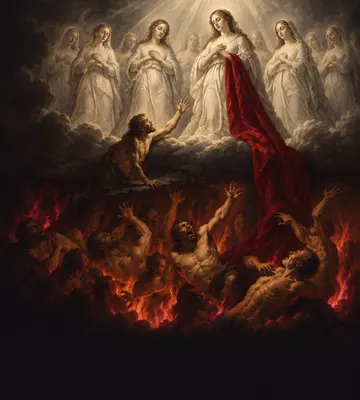 Confutatis The accursed
 Two worlds side by side: flame and light. The men's voices plunge down into the fire of the strings, the women answer from above, quiet and almost still. Then everything sinks, the harmony wavers, and what remains is a single heart ground to ash, asking to be cared for at its end.
You are here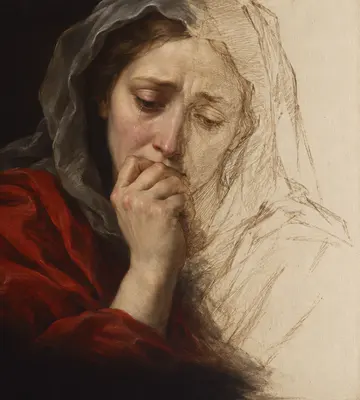 Lacrimosa Tearful day
 Tears for someone else. The strings sob, the melody rises and breaks, as if the voice could not hold. Right here, at bar eight, Mozart's hand stopped, and everything after it is a pupil's attempt to finish his teacher's prayer.
Open movement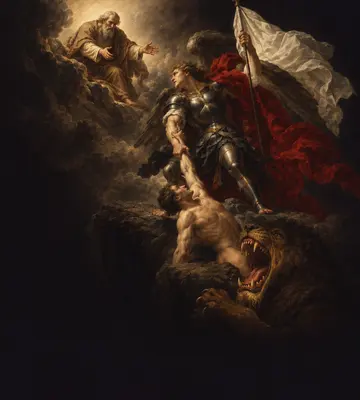 Domine Jesu Lord Jesus Christ
 The fear of the abyss and the light of a promise in one movement. The basses fall deep on the words about hell, the music races away from the lion's mouth, and then the quartet unexpectedly clears. The fugue at the end sounds like a stubborn memory of an old promise: it was given, so it must come true.
Open movement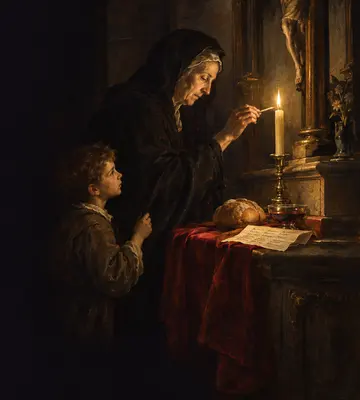 Hostias Sacrifices and prayers
 Quiet remembrance of particular people. The rhythm rocks gently, like a slow dance, and the choir sings in plain chords, without any pressure. This is the gentlest place in the work: no one begs for rescue from judgement here; a prayer is offered for those remembered today.
Open movement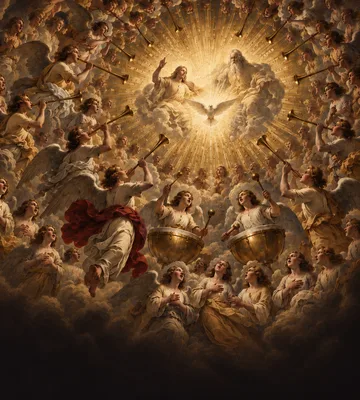 Sanctus Holy
 Sudden light and praise. After a long darkness, trumpets and timpani sound in D major for the first time, like doors thrown wide open. Süssmayr writes a joy that is short and straightforward, without doubt or shadow.
Open movement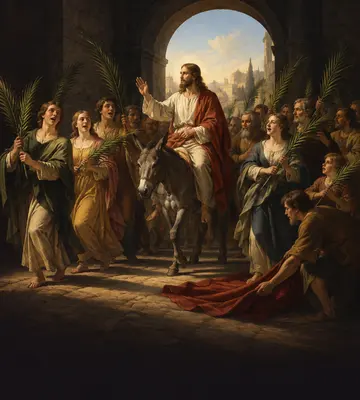 Benedictus Blessed
 Warmth after brilliance. The soloists sing calmly and lyrically, like a greeting to someone arriving in peace. Süssmayr lets the listener rest: there is no fear in this music, only gentle expectation.
Open movement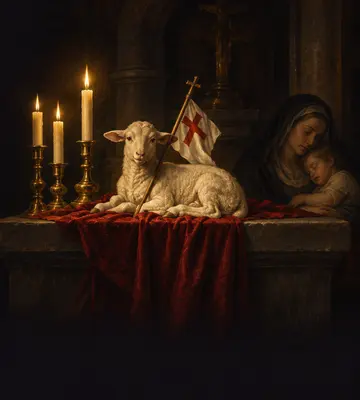 Agnus Dei Lamb of God
 A humble plea in which the weight can still be heard. One phrase sounds three times: firm on 'Lamb of God', quiet on 'grant them rest'. Each time the harmony shifts a little, as if the burden were slowly easing, and the third time it brightens.
Open movement Lux aeterna Eternal light
 Coming home as a different person. The same music as at the beginning returns, but now with words about eternal light and mercy. The grief has not gone, yet the listener has walked the whole way and hears in the familiar theme not hopelessness but peace.
Open movementWorth knowing
"Cinis" (ash) echoes "favilla" from the Dies irae. There the world turned to ash; here it is one person's heart.
The descent at 'Oro supplex' moves through several keys in just a few bars. It is one of the boldest harmonic passages in all of Mozart's music.
The choir splits in two: tenors and basses sing loudly, while the sopranos and altos are marked sotto voce, "in an undertone".
The damned and the blessed do not take turns in separate movements but follow each other within a few bars. Judgement and mercy stand side by side.