
Why this exists
In a concert hall a large work runs for an hour in a language you do not speak, with nothing explained. Someone hearing it for the first time catches “something grand and sad” and leaves feeling the main thing went past them.
The fault is neither the music's nor the listener's: nobody had time to say what is happening right now. One line of translation and one hint about what to listen for change the whole hour.
So this site does not retell the composer's biography. It walks beside the music: what sounds at this moment, what the singers are asking for, who is on stage, where the hand stopped in the manuscript.
What is here already
- Fourteen movements
The Latin text with a line-by-line translation, the line you are hearing lit up, and hints about what to listen for.
- The stage
Choir and orchestra, with each group glowing as it enters. You can see who is making the sound you hear.
- The manuscript
Thirteen pages of the autograph with explanations, including the leaf where Lacrimosa breaks off after bar eight.
- Myth or fact, and 1791
Twenty stories about the Requiem, each one checked, and Mozart's last year by date.
How it is made
The site is static and light: no ads, no paywalls, no third-party scripts that track you. Your theme, volume and “Myth or fact” answers stay in your browser.
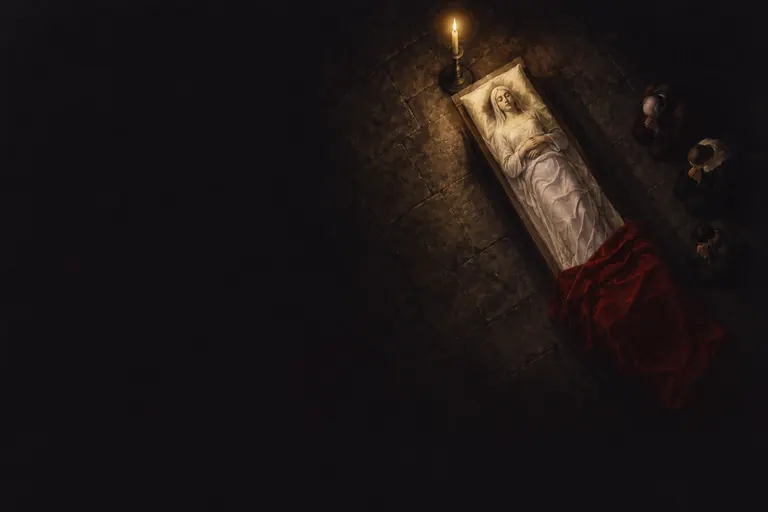
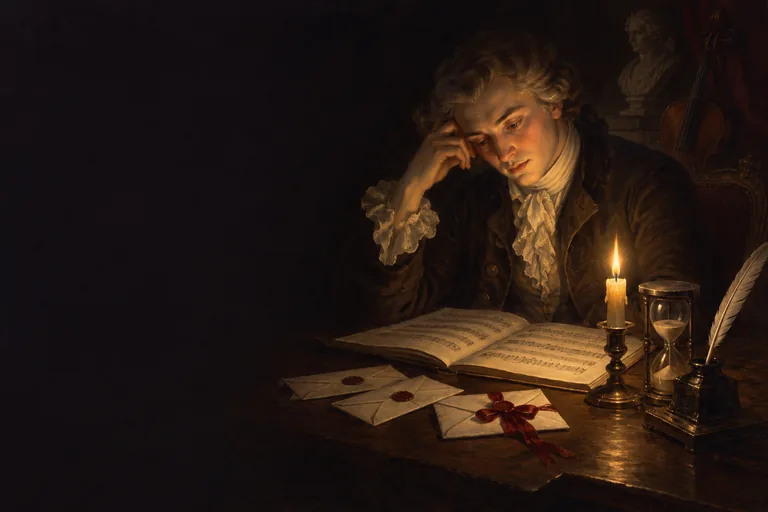
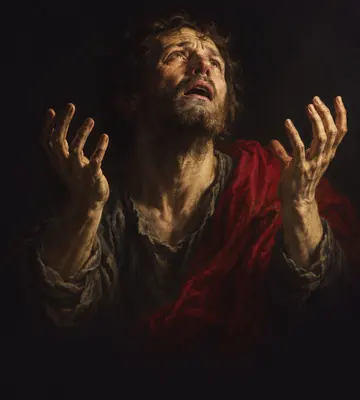
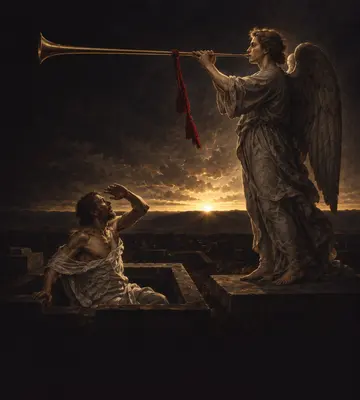
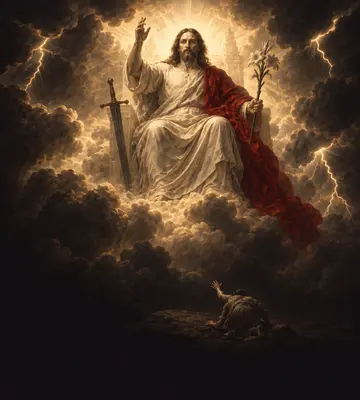
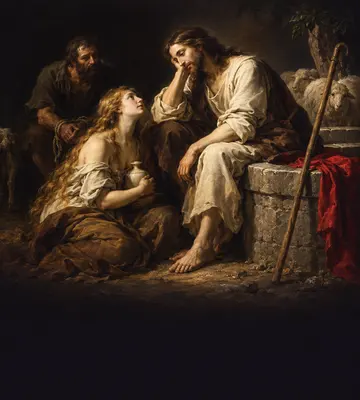
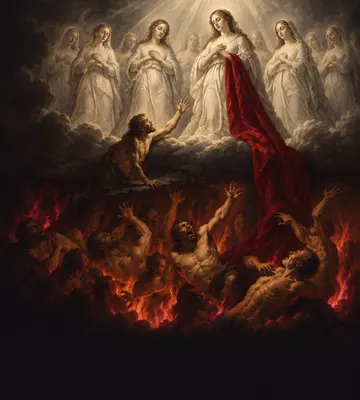
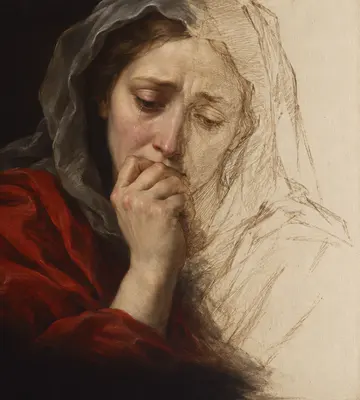
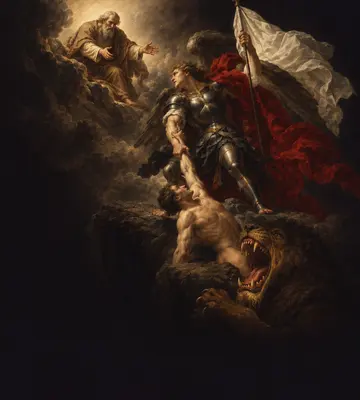
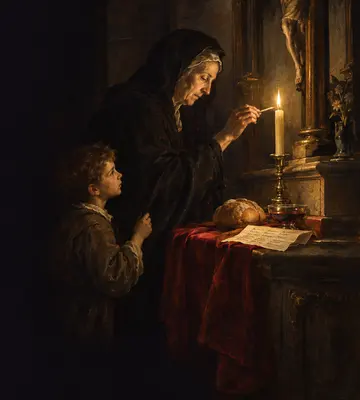
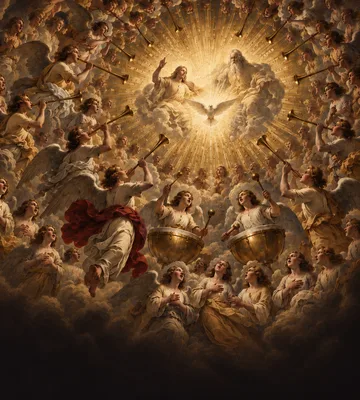
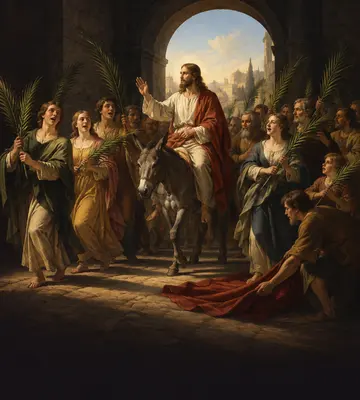
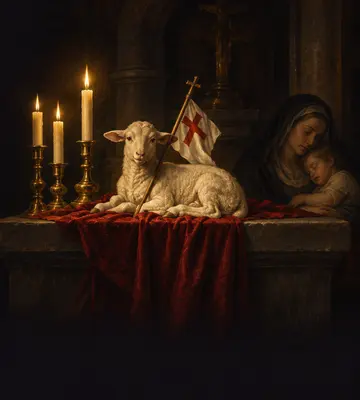
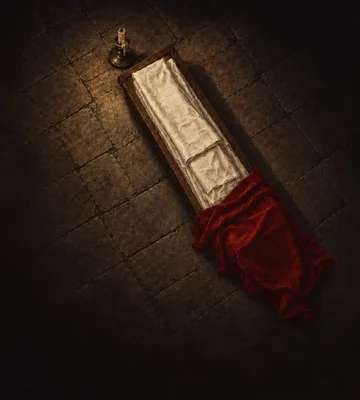
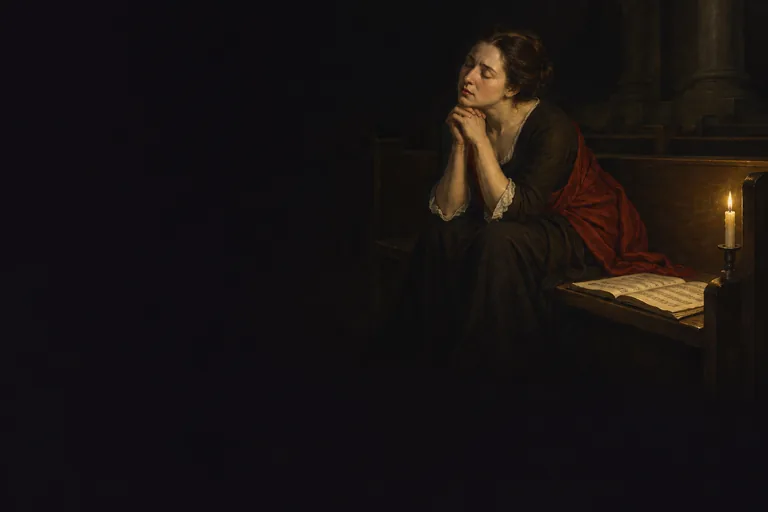
The texts are written and checked by the author of the project, with help from AI; every fact has a source, and claims that cannot be proven are marked as such. The movement illustrations are generated images, not historical paintings.
The project is non-commercial. When new works appear, they will be on the same terms: open and free.
Where the material comes from
- Recording
A freely available performance under a licence that allows non-commercial use. The performers, place, year and licence are below, and the same is behind the “i” button next to the player.
- Score
Full score and vocal parts from IMSLP, public domain.
- Manuscript
Austrian National Library, Mus.Hs. 17561, digital copies used with attribution.
- Text
The Latin liturgical text is public domain. The Ukrainian and English translations are our own, literal, made for understanding rather than for singing.
Recording: Chœur des Marais, Orchestre de chambre lyonnais, Jacques Berthelon. Théâtre de Villefranche-sur-Saône, 1998. © Chœur des Marais, Villefranche sur Saône, Fr, CC-BY-NC-4.0
Site texts: CC BY-NC-SA 4.0. Latin text: public domain.
How to help
- Tell someone
Show the site to a person going to a concert or hearing the Requiem for the first time. It is the most useful thing you can do for free.
- Tell us what was unclear
If something lost you, it will lose a hundred other people. Letters like that change the texts here directly.
- Support it
The domain and hosting cost money, and every new work costs months of work. A contribution of any size helps.
This site is open and free. Support the project →
An email when there is news
One email when the site is ready, and rarely one when a new work appears. No ads, one-click unsubscribe.