

The 1880 score: first page
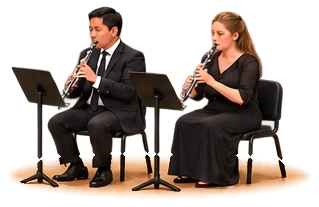
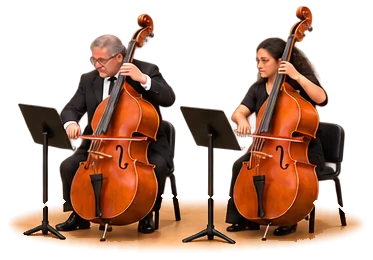
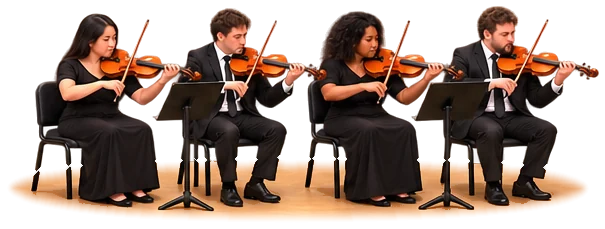
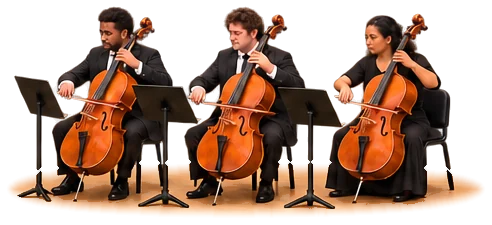
This is how the concerto begins on paper: each instrument of the orchestra has its own line, and all the lines are read at once, from top to bottom. The page comes from the complete edition of Chopin's works published in Leipzig in 1880. Look at the piano line in the middle: it is empty.
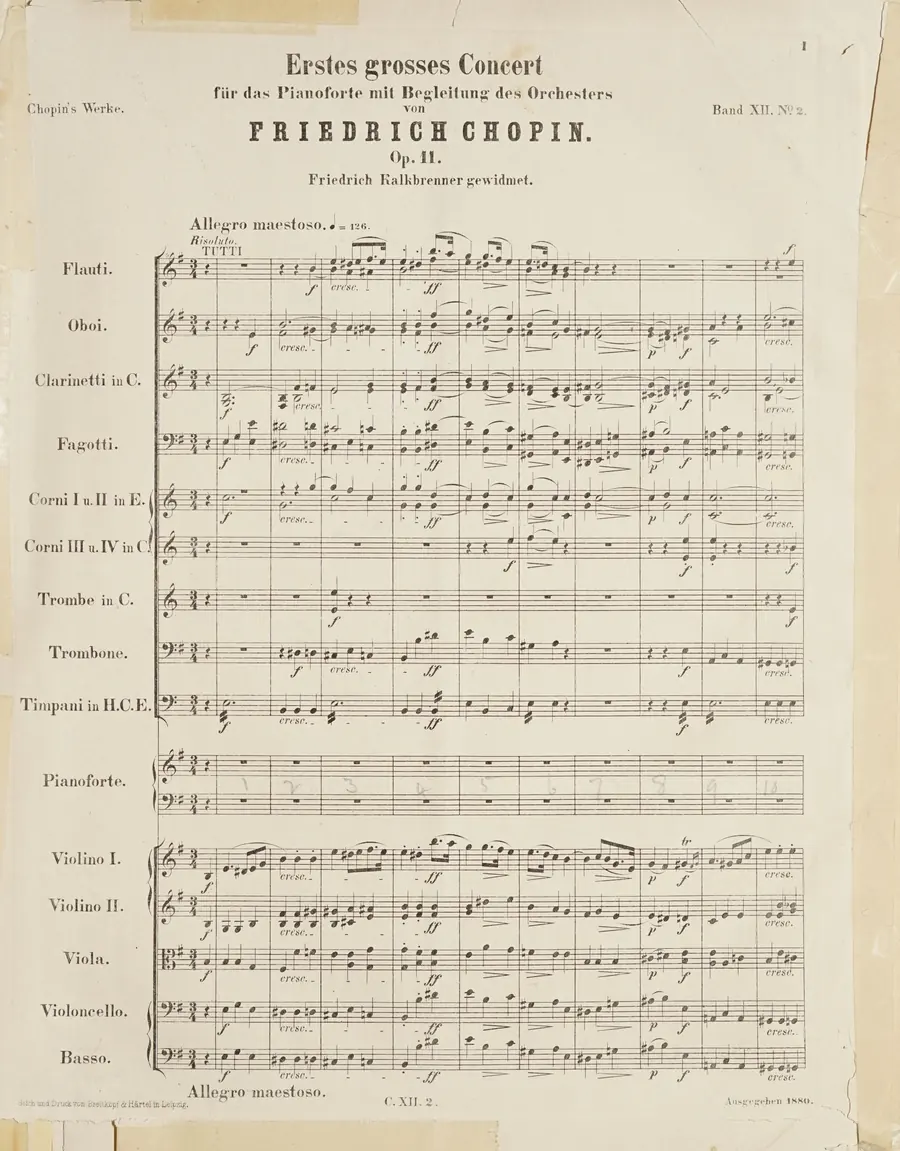
Tap an area on the page or an item in the list.
About
The first movement is the longest: about twenty minutes, half of the whole concerto. For almost four minutes the orchestra plays alone - it shows us all the tunes while the piano waits. When the piano finally comes in, we hear it at once: a few loud chords of the stern tune - and a headlong run upwards, right to the highest keys.
There are three main motifs (tunes) in this movement, and the orchestra shows them one after another. The first is stern and resolute: the concerto begins with it. The second is quiet and sad, carried by the violins.
The third comes after a long hesitation and sounds bright, though it rests on the same note as the first: as if the view from the window were the same, only the sun had come out from behind the clouds. Then the piano plays all three motifs.
Listen for the third, bright motif. Near the end of the movement the piano plays it once more - the same tune, but on higher keys than the first time. The scholar John Rink believes this is the very place Chopin was leading the whole movement towards.
Listen for this
Places worth hearing on their own
0:00 – 0:40
The stern melody
The orchestra starts loud and resolute, all together. This is the concerto's first melody - remember it: we will come back to it.
Worth knowing
The piano is silent for the first 138 bars - almost four minutes in our recording. That is why nineteenth-century pianists often cut the orchestral opening.
By the rules of the time the second melody should have been in G major; Chopin kept it on the same note E, only in major. Critics called this a mistake for a hundred years; scholars today see it as a design.
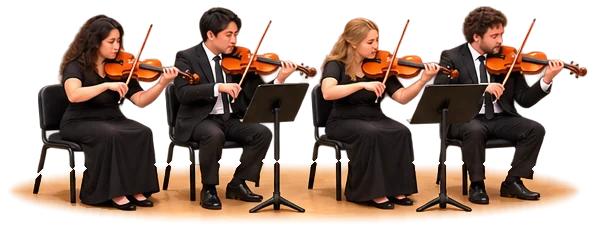
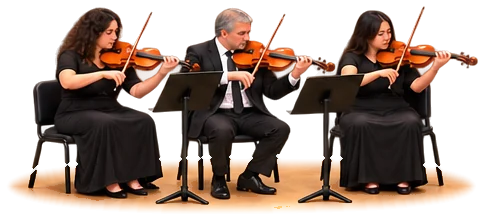
Chopin finished the first movement in the spring of 1830. His teacher Józef Elsner, composer and head of the Warsaw Conservatory, advised him to try the concerto at home with a quartet before playing it with an orchestra.
At the premiere on 11 October 1830 the concerto was split in two: after the first movement the singer Anna Wołków sang an aria, and only then came the Romance and the finale.
This concerto is the “First” only by order of printing. Chopin himself called it “my second”: he wrote and played the F minor concerto earlier, in March 1830, but did not publish it until 1836. The E minor came out in 1833 and so got the lower number.
The orchestral parts at the premiere were full of mistakes. The conductor, Carlo Soliva, a professor of singing at the Warsaw conservatory, took them home, went through them and corrected them. Chopin wrote afterwards that without Soliva “I don't know how it would have gone yesterday”.
That evening Chopin played a piano by the Viennese maker Streicher. “The piano, it seems, was much liked,” he wrote to his friend the next morning.
The concerto is dedicated to Friedrich Kalkbrenner, then the most famous pianist in Paris. After hearing this music he offered Chopin three years of lessons. Chopin declined, but they stayed on good terms: Kalkbrenner wrote variations on one of his mazurkas, and Chopin in return put his name on the concerto.
The German edition of 1833 was sold in three forms: with orchestra, with string quintet, or as the piano part alone. No full score was printed at all, and no full score in Chopin's hand survives.
Conversation
What you heard
Share your impressions of what you heard, your feelings, or simply your thoughts out loud.
Only for the name under your comment. Your email is shown to no one.
Quiet here so far. Yours would be the first.